
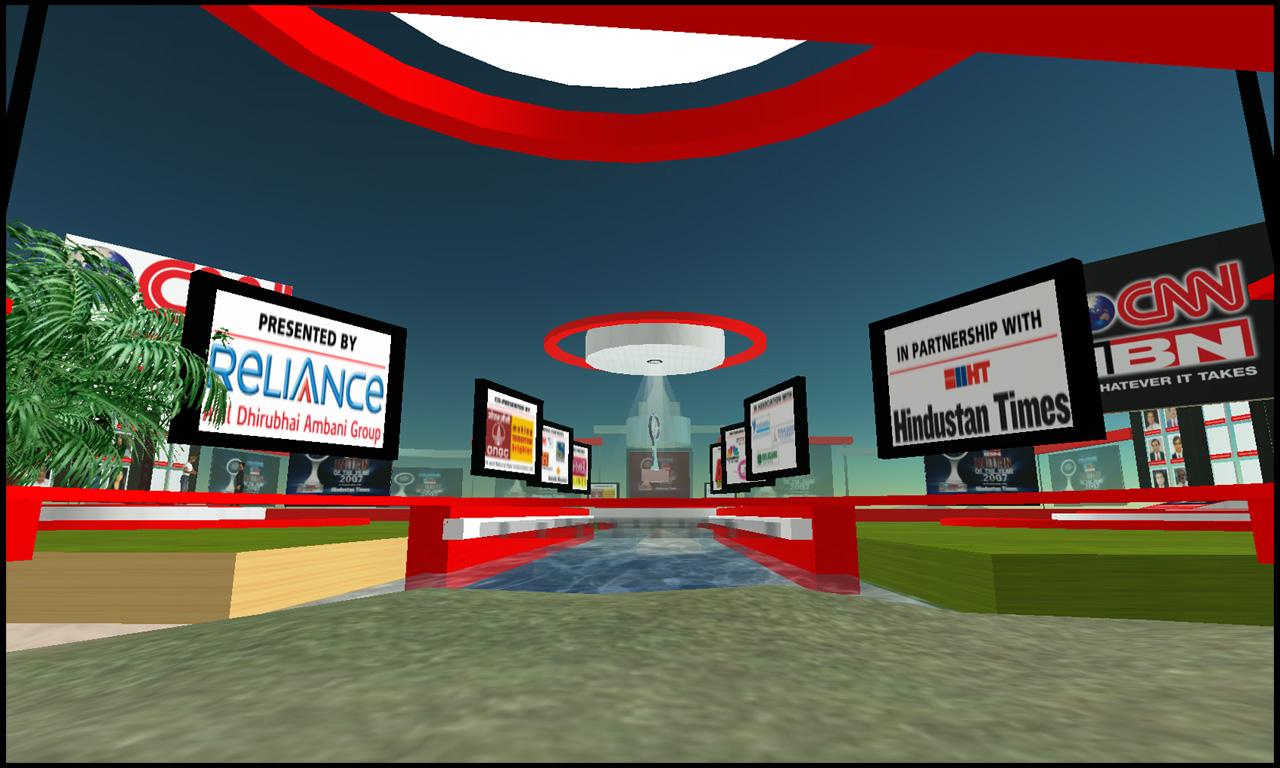
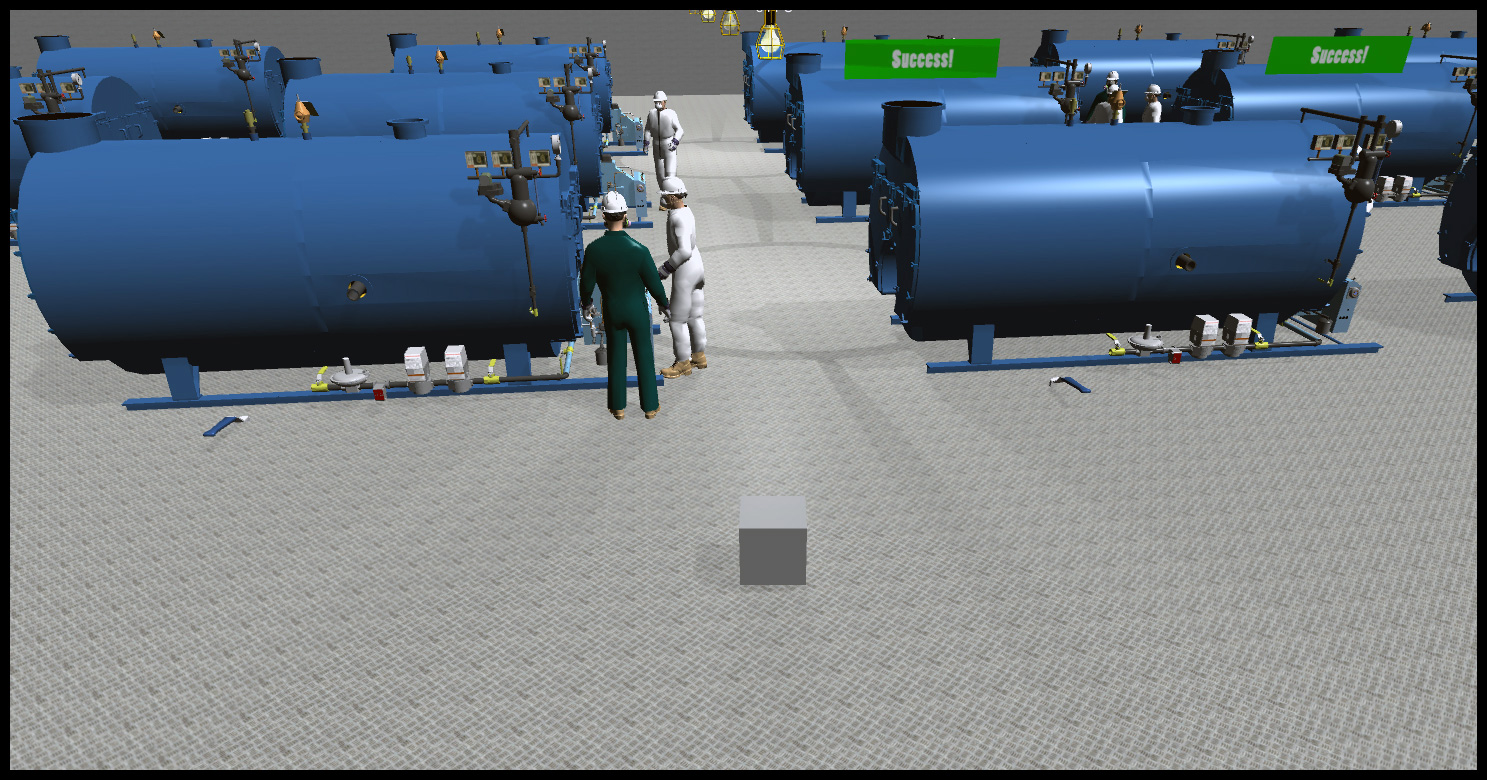
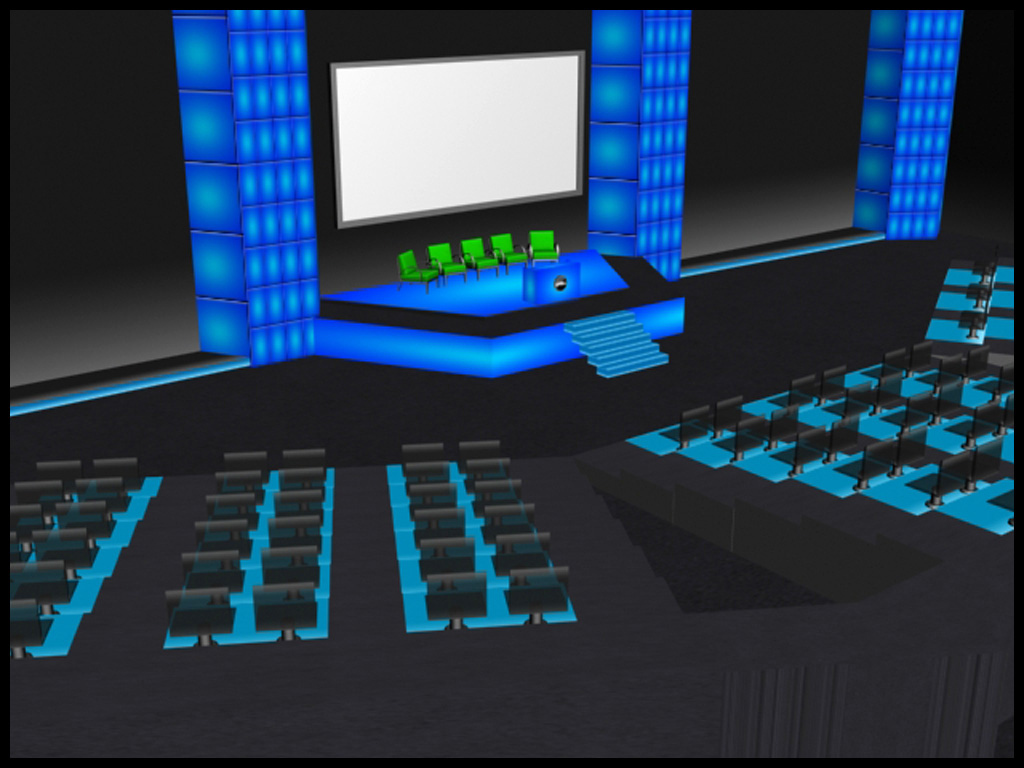
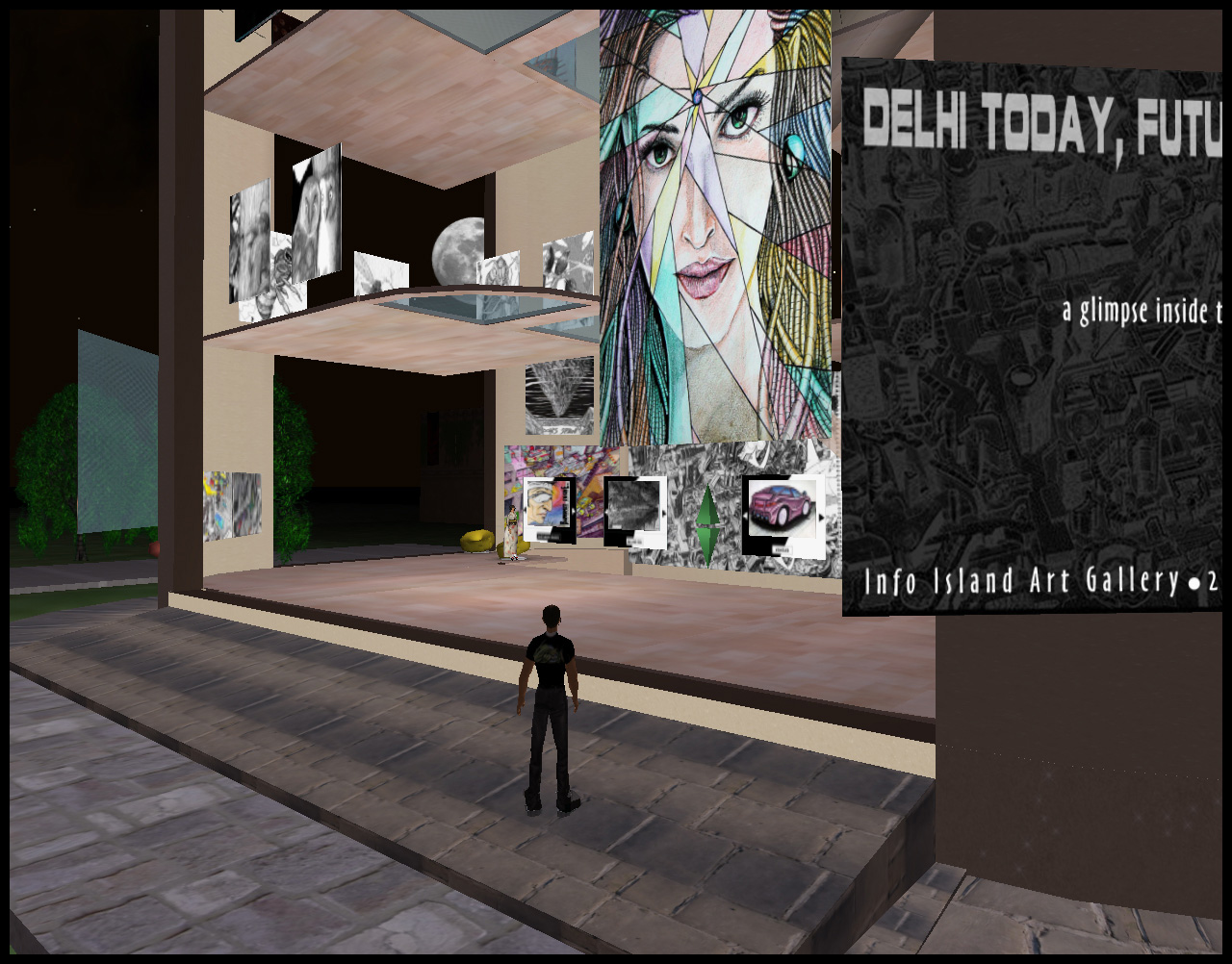


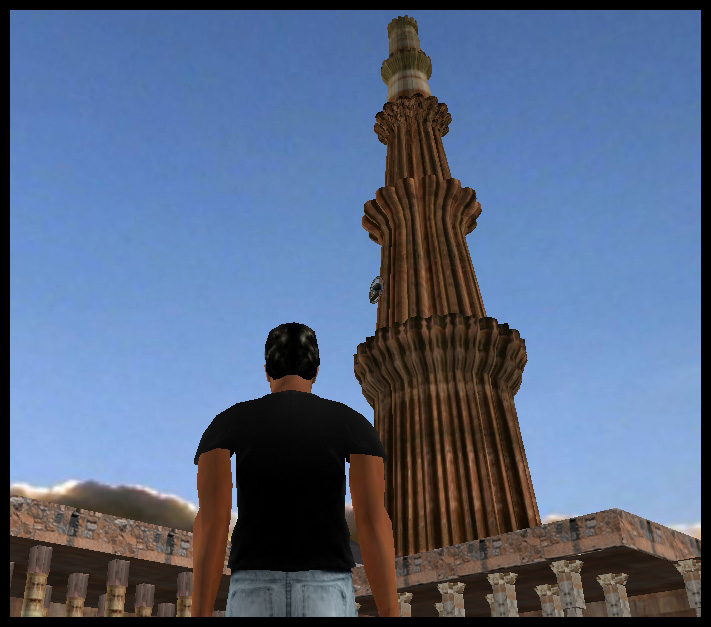

















We create highly immersive and interactive virtual reality experiences.
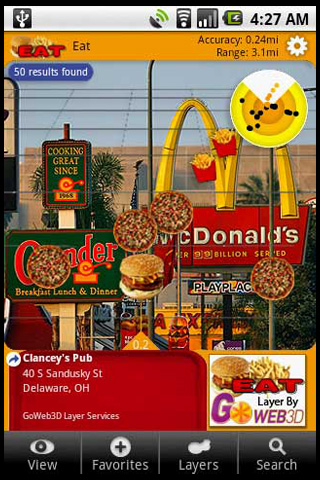
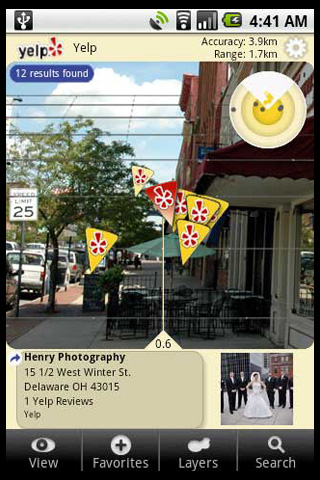
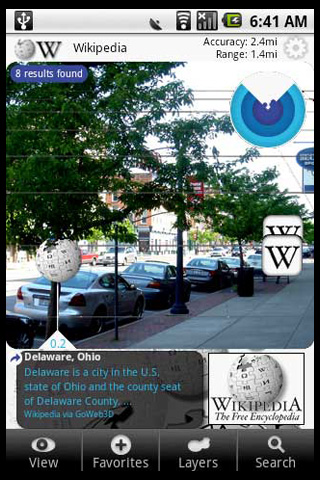
We have been creators of rich, interactive AR experiences since 2009.
We are pioneers in the field of creating binaural 360 3D video content.
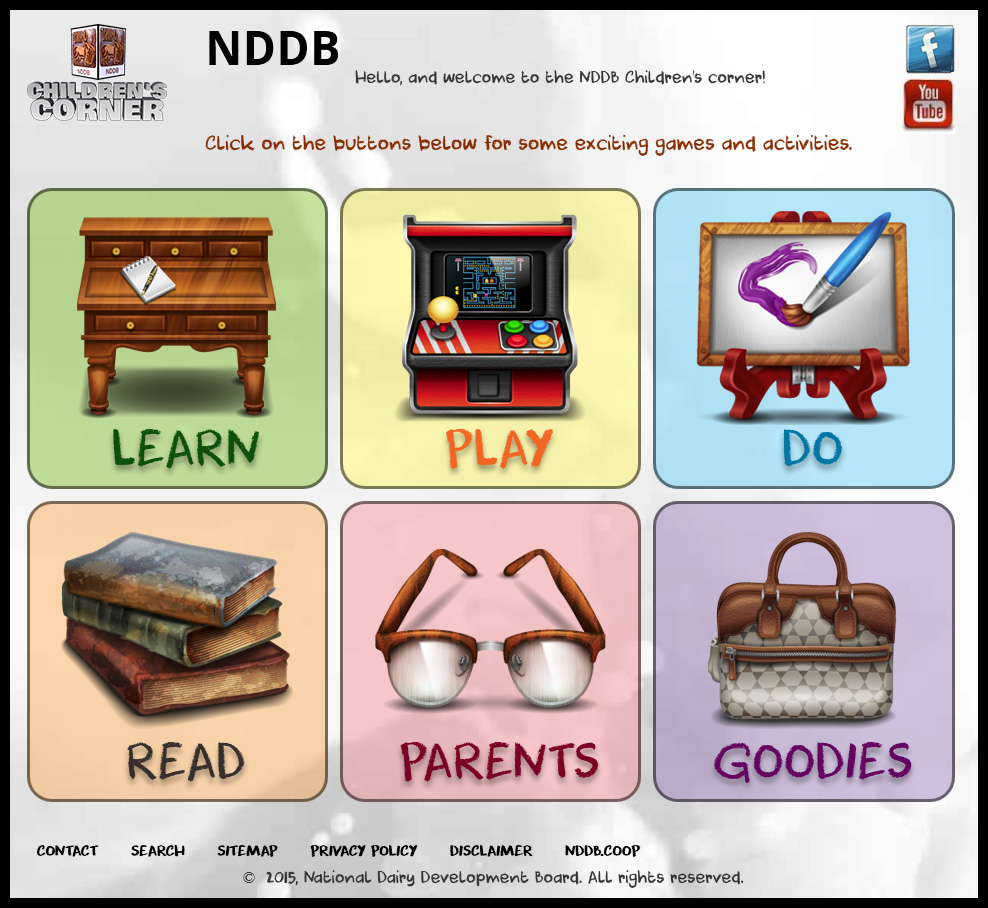
We have been designing awesome websites since 1997!
UXD is one of our core capabilities and we love it!
Graphic design, illustration or creative visualization.
The textbook says:
"Virtual Reality (VR), which can be referred to as immersive multimedia or computer-simulated life, replicates an environment that simulates physical presence in places in the real world or imagined worlds and lets the user interact in that world. Virtual reality artificially creates sensory experiences, which can include sight, hearing, touch, and smell."
We say:
All reality is virtual- Our entire perception of the world around us is solely through our senses. By replacing sight and sound with virtual content, we can create a large variety of immersive experiences for our users.
We see virtual reality as a powerful tool that can considerably enhance our understanding of the world around us. It can allow us to take our users anywhere and make them experience anything, making it a powerful learning platform.
We aim to create immersive VR content along a number of platforms so that virtual reality it is easy to experience and a powerful medium for self-expression and education.
The textbook says:
Augmented reality (AR) is a live direct or indirect view of a physical, real-world environment whose elements are augmented (or supplemented) by computer-generated sensory input such as sound, video, graphics or GPS data. It is related to a more general concept called mediated reality, in which a view of reality is modified (possibly even diminished rather than augmented) by a computer. As a result, the technology functions by enhancing one’s current perception of reality. By contrast, virtual reality replaces the real world with a simulated one. Augmentation is conventionally in real-time and in semantic context with environmental elements, such as sports scores on TV during a match. With the help of advanced AR technology (e.g. adding computer vision and object recognition) the information about the surrounding real world of the user becomes interactive and digitally manipulable. Artificial information about the environment and its objects can be overlaid on the real world.
We say:
The simple way to explain Augmented Reality (or AR) is that our devices and tech can help us seamlessly overlay digital content of all sorts on to our real-world view. We have been experimenting with interesting and useful ways this technology can be used to considerably enhance the daily lives of our users since 2010.
The textbook says:
Nothing much really. The technology is still too young :)
Basically, a 360 video is exactly what it says- one uses special cameras capable of recording in all directions so that a user can see all that is happening around the camera instead of within a fixed field of view. So imagine a video that you can scroll through on your desktop or mobile device to see in every direction.
Beyond that, 360 videos become a completely different experience when viewed through VR glasses and headphones. It invokes a sense of presence and immersion that cannot be described. We are committed to exploring new realms of experience we can bring about through this exciting new medium, from historical reenactments to sophisticated training experiences. Anything is possible if you can visualize it clearly.
We've designed our own 3D camera rigs that capture full stereoscopic and ambisonic 360 videos. We can create virtual experiences for you on an unimaginable level.
The textbook says:
"Web design encompasses many different skills and disciplines in the production and maintenance of websites. The different areas of web design include web graphic design; interface design; authoring, including standardised code and proprietary software; user experience design; and search engine optimization."
Sure, but there's a lot more to it in today's times. Your site is your public face to the world simply because it makes your brand and vision far more accessible to a global audience and buyer base.
Consider this: Today your website needs to adapt itself to geographic location, bandwidth, mobile devices, languages and user. It also needs to communicate with thousands of other apps, social networks and in our case virtual and augmented reality applications and devices connected to the Internet Of Things (IOT).
We can create for you sophisticated modular CMS platforms that are precisely adapted to your individual requirements. Websites that can adapt themselves intelligently and creatively to your users.
The textbook says:
"User Experience Design (UXD or UED or XD) is the process of enhancing user satisfaction by improving the usability, accessibility, and pleasure provided in the interaction between the user and the product. User experience design encompasses traditional human–computer interaction (HCI) design, and extends it by addressing all aspects of a product or service as perceived by users.
User experience design includes elements of interaction design, information architecture, user research, and other disciplines, and is concerned with all facets of the overall experience delivered to users.
User experience takes into account the feelings people have while using a particular product. These feelings can range from satisfaction to frustration. User experience design caters to how products should be designed in order to increase the usability provided in the interaction between the user and the product."
We say:
That's actually pretty well put.
Our user's experience permeates all aspects of the design we do across the technologies and platforms we use. Our core philosophy lies in considerably enhancing the user's experience using art, design and technology.
The textbook says:
"Visual design is the design working in any media or support of visual communication. This is considered by some to be more correct terminology to cover all types of design applied in communication that uses visual channel for transmission of messages, precisely because this term relates to the concept of visual language of some media and not limited to support a particular form of content, as do the terms graphic design (graphics) or Interface design (electronic media)."
We love visual design. To us it is a primary form of communication both with our users and audience, and a critical part of any design project.
During the course of the past decade, we have managed a plethora of challenging tasks ranging from small to enterprise level across hundreds of really interesting projects. From graphic, web and industrial design to virtual and augmented reality, we love working on new things. Each project provides us with a rich base of experience that is applied to all our subsequent work.
We are new technology enablers. It is our job to take high technology and inject design thinking to it, so that it becomes easily usable by the average audience. Beyond simply executing projects, it is our mission to help people understand how a particular aspect of technology can help them better their overall user experience and life.
At the core of it, we are a user experience design firm. It does not really matter what specific genre the project might fall under, our mission is to tailor it so that it provides a unique and immersive experience for all.